

Stacking steel plates safely is a crucial aspect of the steel industry, which not only ensures the integrity of the products but also guarantees the safety of workers and the efficiency of operations. As a steel plate supplier, I understand the significance of proper stacking techniques and would like to share some valuable insights on how to stack steel plates safely.
Understanding the Characteristics of Steel Plates
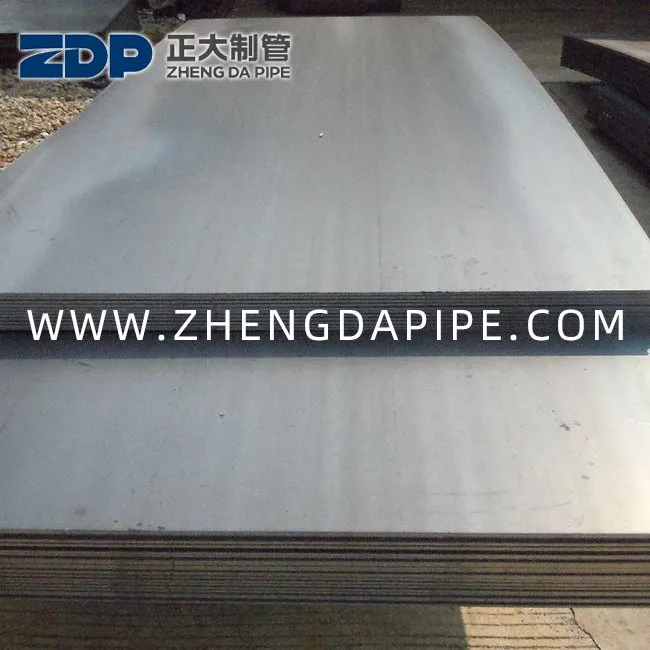
Before delving into the stacking process, it is essential to understand the characteristics of steel plates. Steel plates come in various sizes, thicknesses, and grades, each with its own unique properties. For instance, PLATE SS400 is a commonly used structural steel plate known for its excellent weldability and formability. The weight and dimensions of the steel plates can significantly impact the stacking method and the equipment required. Heavier and larger plates may require more robust support structures and specialized handling equipment.
Preparing the Stacking Area
The first step in safe steel plate stacking is to prepare the stacking area. The area should be clean, level, and free from any debris or obstacles that could cause the plates to shift or become unstable. It is advisable to use a hard, flat surface such as a concrete floor or a well - maintained steel platform. If the stacking area is outdoors, it should be protected from the elements, especially moisture, which can cause corrosion on the steel plates.
Marking the stacking area is also important. This helps to ensure that the plates are stacked in an organized manner and that there is enough space for handling equipment to maneuver. The stacking area should be clearly marked with boundaries and aisle ways to prevent accidents.
Selecting the Right Stacking Equipment
The choice of stacking equipment depends on the size, weight, and quantity of the steel plates. For smaller and lighter plates, manual handling equipment such as forklifts or pallet jacks may be sufficient. However, for larger and heavier plates, overhead cranes or gantry cranes are often required.
Forklifts should be equipped with the appropriate attachments, such as fork extensions or clamps, to safely lift and move the steel plates. Overhead cranes and gantry cranes should be regularly inspected and maintained to ensure their safe operation. The lifting capacity of the equipment should always be greater than the weight of the steel plates being lifted to prevent overloading.
Stacking Techniques
- Uniformity: When stacking steel plates, it is important to stack them in a uniform manner. The plates should be aligned parallel to each other, with their edges flush. This helps to distribute the weight evenly and prevents the stack from becoming unstable. If the plates are not stacked uniformly, there is a risk of the stack toppling over, which can cause serious injuries and damage to the plates.
- Intermediate Supports: For taller stacks, intermediate supports should be used to prevent the plates from bending or warping. These supports can be made of wood, steel, or other suitable materials. They should be placed at regular intervals along the length of the stack to provide additional stability.
- Stack Height: The height of the stack should be carefully controlled. Taller stacks are more prone to instability, especially if the plates are not properly supported. As a general rule, the height of the stack should not exceed three times the base width of the stack. This ratio helps to maintain the stability of the stack and reduces the risk of collapse.
- Separation of Different Grades and Sizes: It is important to separate steel plates of different grades and sizes when stacking. This makes it easier to identify and retrieve the plates when needed. Mixing different grades and sizes can lead to confusion and may result in the wrong plates being used in a project.
Securing the Stack
Once the steel plates are stacked, they should be secured to prevent them from shifting or falling. Straps, chains, or wire ropes can be used to secure the stack. These securing devices should be tightened properly to ensure that they hold the plates firmly in place.
It is also advisable to use corner protectors to prevent the edges of the steel plates from being damaged during handling and storage. Corner protectors can be made of rubber, plastic, or other soft materials and can help to reduce the risk of scratches and dents on the plates.
Safety Precautions for Workers
Workers involved in the stacking of steel plates should be properly trained in safe handling procedures. They should wear appropriate personal protective equipment (PPE), such as hard hats, safety glasses, gloves, and steel - toed boots.

Before starting the stacking process, workers should conduct a thorough inspection of the equipment and the stacking area. They should check for any signs of damage or malfunction in the equipment and ensure that the stacking area is safe.
During the stacking process, workers should communicate effectively with each other, especially when using lifting equipment. They should follow the established safety procedures and avoid any risky behavior.
Monitoring and Maintenance
Regular monitoring of the stacked steel plates is essential to ensure their safety. The stacks should be inspected for any signs of movement, damage, or corrosion. If any issues are detected, they should be addressed immediately.
The stacking equipment should also be regularly maintained and inspected. This includes checking the brakes, cables, and hydraulic systems of the forklifts and cranes. Any worn - out or damaged parts should be replaced promptly to prevent accidents.
Conclusion
Stacking steel plates safely is a multi - faceted process that requires careful planning, proper equipment, and strict adherence to safety procedures. As a steel plate supplier, I am committed to providing high - quality steel plates and ensuring that they are stacked and stored safely.
If you are in the market for steel plates, including PLATE SS400, and have any questions about stacking or other aspects of steel plate handling, I encourage you to reach out to me. We can discuss your specific requirements and work together to ensure that you receive the best products and services. Whether you are a small - scale contractor or a large industrial enterprise, we have the expertise and resources to meet your needs. Contact me today to start the procurement process and let's build a successful partnership.
References
- American Institute of Steel Construction (AISC). (2017). Steel Construction Manual, 15th Edition.
- Occupational Safety and Health Administration (OSHA). (2019). Steel Erection Standards.
- Steel Plate Institute. (2020). Best Practices for Steel Plate Handling and Storage.


