

Hey there! I'm a supplier of seamless steel pipes, and I've been in this business for quite a while. One of the most common questions I get from my customers is how to transport seamless steel pipes. It's a crucial topic because proper transportation ensures the pipes arrive at their destination in good condition. So, in this blog, I'm gonna share some tips and tricks on how to transport seamless steel pipes effectively.
Understanding the Types of Seamless Steel Pipes
Before we dive into the transportation methods, let's quickly talk about the different types of seamless steel pipes. As a supplier, I deal with various standards, such as ASTM A53 Seamless Steel Pipe, ASTM 795 Seamless Steel Pipe, and API 5L Seamless Steel Pipe. Each type has its own characteristics and applications. For example, ASTM A53 is widely used for general-purpose piping, while API 5L is commonly used in the oil and gas industry.
Pre - transportation Preparations
First things first, you gotta make sure the pipes are properly prepared before transportation.
Cleaning and Coating
Clean the pipes to remove any dirt, debris, or rust. A clean pipe is less likely to get damaged during transit. After cleaning, apply a protective coating. This coating not only prevents corrosion but also acts as a buffer against minor impacts. There are different types of coatings available, like epoxy or zinc coatings, depending on the application and the environment the pipes will be exposed to.
Measuring and Marking
Measure the length, diameter, and wall thickness of the pipes accurately. Mark each pipe with relevant information, such as the pipe type, size, and batch number. This makes it easier to identify and sort the pipes at the destination.
Bundling
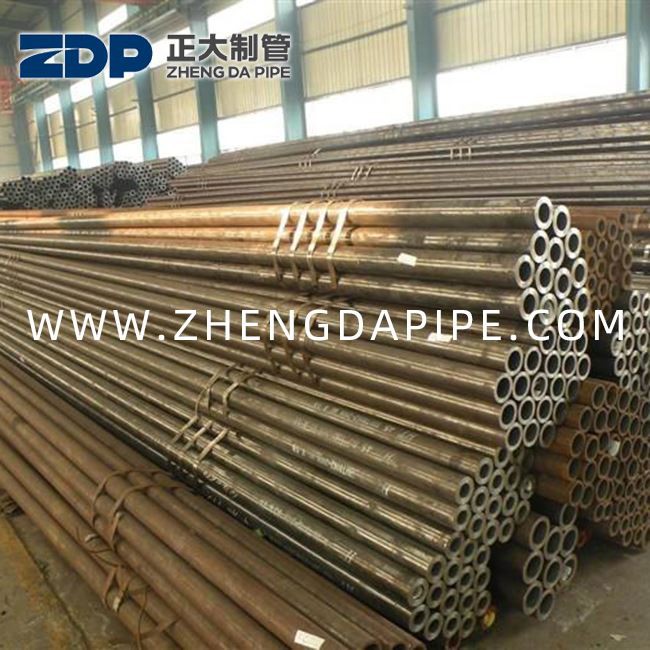
Bundling the pipes is a great way to make transportation more efficient. Use strong steel bands or wire ropes to tie the pipes together. Make sure the bundles are tight enough to prevent the pipes from moving around but not so tight that they get deformed. The size and weight of each bundle should be within the limits of the transportation vehicle.
Transportation Modes
There are several ways to transport seamless steel pipes, and each has its own pros and cons.
Trucks
Trucks are one of the most common ways to transport seamless steel pipes, especially for short - to medium - distance deliveries. They offer flexibility in terms of delivery locations, as they can reach almost any place with a proper road network.
When using trucks, you need to pay attention to the loading and securing of the pipes. Place the bundles on the truck bed evenly to distribute the weight. Use straps or chains to secure the bundles firmly to the truck to prevent them from shifting during transit. Make sure the pipes are not overhanging too much from the sides or the back of the truck, as this can be a safety hazard.
Railways
For long - distance transportation, railways are a cost - effective option. Railways can carry large volumes of pipes at once. However, the delivery points are more limited compared to trucks.
When transporting pipes by rail, they are usually loaded into special railway cars designed for carrying long and heavy items. The pipes need to be secured in the railway cars to prevent movement during the journey. Specialized fixtures or cradles may be used to hold the pipes in place.
Ships
If you're transporting seamless steel pipes overseas or to remote areas accessible by water, ships are the way to go. Ships can carry huge quantities of pipes, making them ideal for large - scale projects.
When loading pipes onto a ship, they are often stacked in the cargo hold. It's important to stack them in a stable way to prevent them from toppling over during the voyage. The ship's crew also needs to take into account the movement of the ship due to waves and storms and secure the pipes accordingly.
Safety Considerations
Safety is of utmost importance when transporting seamless steel pipes.
Weight Limits
Always adhere to the weight limits of the transportation vehicle. Overloading can not only damage the vehicle but also pose a serious safety risk on the road or railway. Make sure to calculate the total weight of the pipes, the bundles, and any additional equipment accurately.
Weather Conditions
Weather can have a big impact on the transportation of seamless steel pipes. In rainy or snowy weather, the pipes may become slippery, increasing the risk of accidents. If possible, avoid transporting pipes during extreme weather conditions. If you have to transport them, take extra precautions, such as using anti - slip materials and checking the road or railway conditions regularly.

Route Planning
Plan your route carefully. Avoid roads or railway tracks with low bridges, sharp turns, or other obstacles that may cause problems for the transportation of the pipes. Check for any road closures or construction work along the way.
Handling at the Destination
Once the pipes arrive at their destination, proper handling is crucial to ensure they are in good condition.
Unloading
Use appropriate equipment, such as cranes or forklifts, to unload the pipes. Make sure the equipment is in good working condition and the operators are well - trained. Unload the pipes gently to avoid any impacts or scratches.
Storage
Store the pipes in a dry and well - ventilated area. If possible, store them on racks to prevent direct contact with the ground, which can cause corrosion. Keep the pipes organized according to their type, size, and batch number for easy access.
Conclusion
Transporting seamless steel pipes requires careful planning and attention to detail. From pre - transportation preparations to handling at the destination, every step plays a vital role in ensuring the pipes arrive safely and in good condition. Whether you're using trucks, railways, or ships, following the right procedures and safety guidelines is essential.
If you're in the market for seamless steel pipes, whether it's ASTM A53 Seamless Steel Pipe, ASTM 795 Seamless Steel Pipe, or API 5L Seamless Steel Pipe, I'm here to help. If you have any questions about our products or need advice on transportation, feel free to reach out to me. Let's start a conversation and see how we can work together to meet your needs.
References
- "Handbook of Steel Pipe Engineering"
- Industry standards and guidelines for seamless steel pipe transportation


