

Let's first get the nominal wall thickness MM2.02.52.83.53.84.04.5
There is also galvanized steel pipe coefficient parameters: C1.0641.0511.0451.0401.0361.0341.0321.028
The following explains that steel mechanics performance is an important indicator of the final performance (mechanical performance) of steel. It depends on the chemical composition and thermal treatment system of steel. In the steel pipe standard, according to different use requirements, stretching performance (tensile strength, yield strength or yield point, elongation point) and hardness, toughness indicators, as well as high and low temperature performance required by users. : Steel number: Q215A; Q215B; Q235A; Q235.
Test pressure value /MPA:D10.2-168.3mm is 3MPa; D177.8-323.9mm is 5MPa
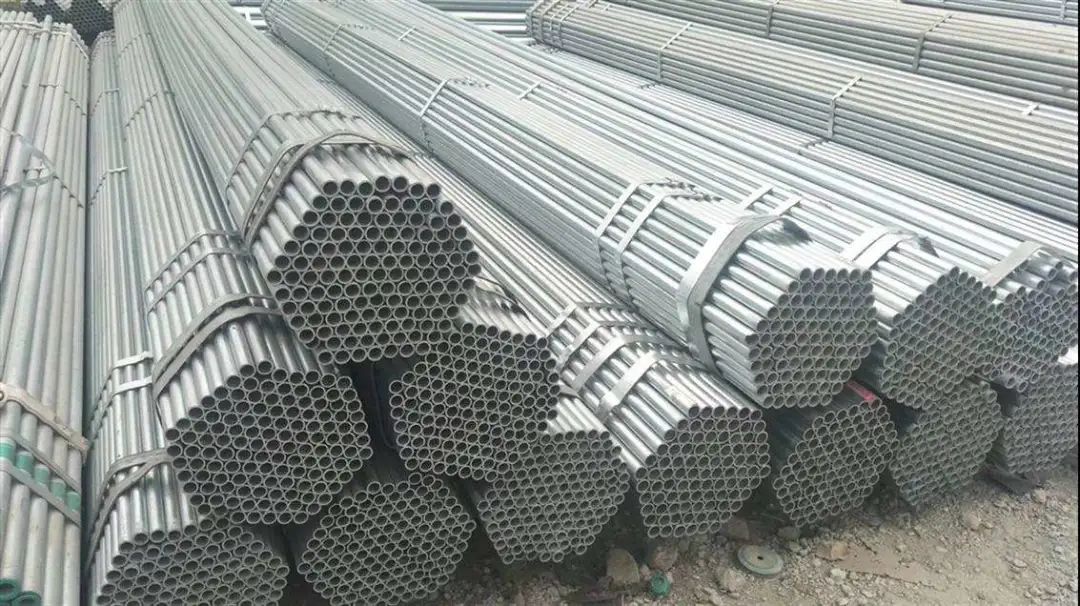
The surface of galvanized steel pipe is welding steel pipes with heat -soaking or electro -galvanized layers. Galvanizing can increase the corrosion resistance of steel pipes and extend the service life. Galvanized steel pipes are widely used. In addition to general low -pressure fluid pipelines such as water transmission, gas, and oil, it is also used as oil well pipes and oil pipes of the oil industry, especially marine oil fields, oil heater, condensation and cooling of chemical coking equipment For tubes, coal distillation oil washing exchangers, as well as supporting rack pipes of tension pipe pipes, and mining tunnels. The hot -dip galvanized steel pipe is widely used in various modern manufacturing industries.
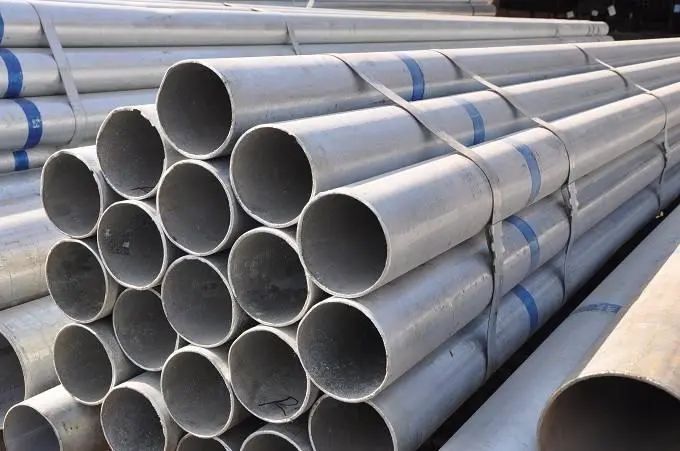
Galvanized steel pipes are divided into cold galvanized pipes and hot -dip galvanized pipes. At the beginning, galvanized steel pipes were used as water pipes. After a few years, a large amount of rust was generated. The outflow of yellow water not only polluting cleaning ware, but also mixed with bacteria breeding in the inner wall. Correct the high metal content in the water is too high, which seriously endangers human health. Therefore, in the 1960s and 1970s, developed countries began to develop new pipes and disabled galvanized steel pipes.