

The corrosion of galvanized square tube has become increasingly severe and has become a major challenge facing the industry. Many manufacturers are facing additional cost burdens that increased corrosion. Every year, the economic loss caused by slight corrosion is up to hundreds of millions of yuan. This number is shocking, highlighting the urgency of properly handling the problem of corrosion.
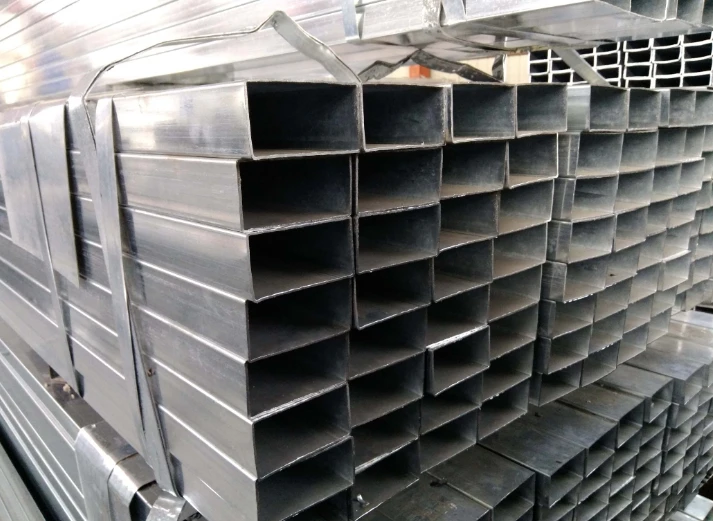
So why is galvanized square tube suffering?
First, external environmental factors are the key. This includes the nature, temperature conditions of the media around the pipeline, and whether there are corrosive substances in the environment. In particular, when the pipeline is in soil or culture liquid, its corrosion process is closely related to the activity of soil microorganisms, making the corrosion mechanism more complicated. For long -distance transportation pipelines, the diversity of geological conditions along the way has exacerbated this problem. In addition, the working temperature of the pipeline is also an important factor affecting the corrosion rate. The high temperature will accelerate the corrosion process, while the low temperature is relatively slow.
Secondly, the failure of anticorrosive measures is also the reason why it is not ignored. During the installation of pipelines, if anti -corrosion measures are not effectively implemented or unqualified anticorrosive materials are not effectively implemented, it will directly lead to damage to the pipeline anticorrosive layer. Once the anticorrosive layer is peeled with the pipeline substrate, its original protection effect will no longer exist, which will cause corrosion problems.
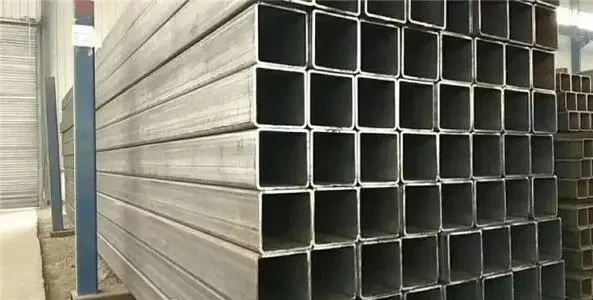
In summary, the main reason for understanding and identifying the corrosion of galvanized square tube is the prerequisite for formulating effective anticorrosive strategies. By adopting targeted prevention measures, we can effectively reduce the occurrence of corrosion, thereby protecting pipeline security, reducing economic losses, and achieving longer and stable operating effects.