

General welded pipes: General welded pipes are used to transport low -pressure flow. It is made of Q195A, Q215A and Q235A steel. It can also be made of other soft steel. The steel pipe is tested with water pressure, bending, and flattening. It has certain requirements for surface quality. Generally, the length of the conveyor is 4 ~ 10m, and it often requires a certain scale (or double ruler) transmission. The specifications of the welded pipe are different from the actual specifications in the nominal caliber (millimeter or inch). According to the thickness of the wall thickness of the tube, there are two commonly used steel pipes and thick steel pipes. The steel pipe is divided into thread and threadlessness according to the shape of the pipe end, that is, the size of the welded steel pipe.
What should I pay attention to when the use of straight steel pipes? Let's make a brief introduction below, hoping to help you.
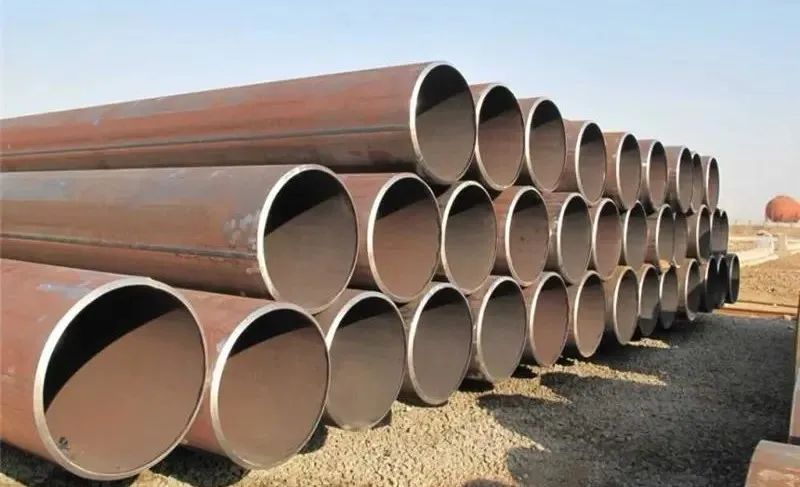
For the installation and use of straight steel pipes, there are strict technical requirements. According to the actual situation, it is also necessary to ensure safety and quality according to the operating program. During the general use, the straight sewing steel pipe needs to pay attention to the following points:
1. Construction preparation before the use of straight steel pipes
The pipeline groove must be dug, the pipe well should be built, and all kinds of straight steel pipes needed to be in place should be in place. Various tools required, including welding machines, cutting machines, electric hammers, polishing machines, etc. Essence Only by doing a series of preparations can you start installing straight seam steel pipes.
Design according to the drawing, according to the prefabricated pipeline bracket at the scene, then rinse according to the design and on -site, and then polish the groove with a polishing machine, and then welded.
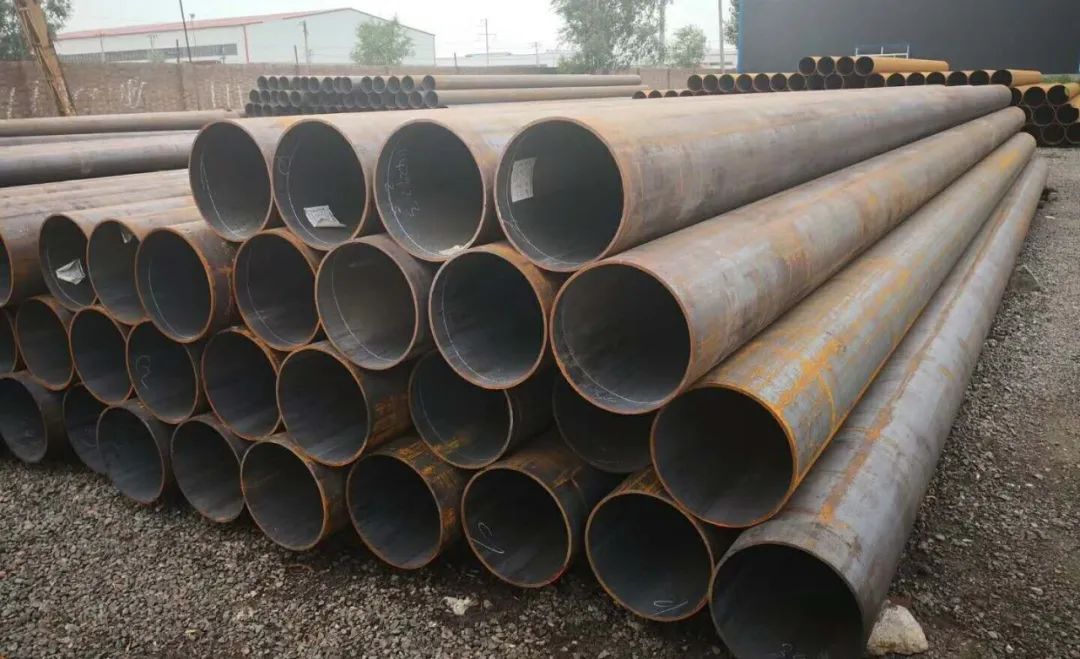
2. Use quality requirements
The branch tube should not be welded at the weld, and welding should be avoided at the curve; the deviation of vertical installation should be less than 3 mm per meter, and the horizontal installation deviation should be less than 1 mm. , No burning or cracking on the surface of the weld.