
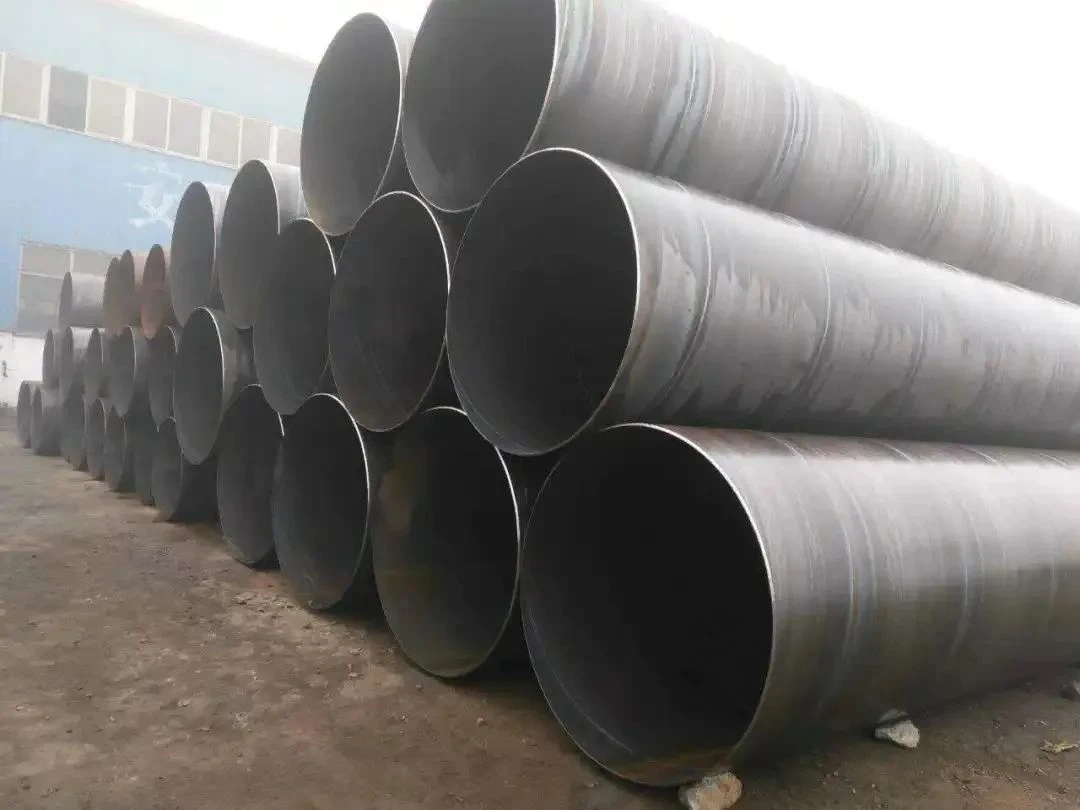
The spiral steel pipe is a pipe made of automatic double -wire double -sided buried arc welding process and normal temperature squeezing molding process. The main raw materials are steel coils. It is widely used in the fields of tap water engineering, petrochemical industry, chemical industry, power industry, agricultural irrigation, and urban construction. It is one of the more widely used pipeline materials.
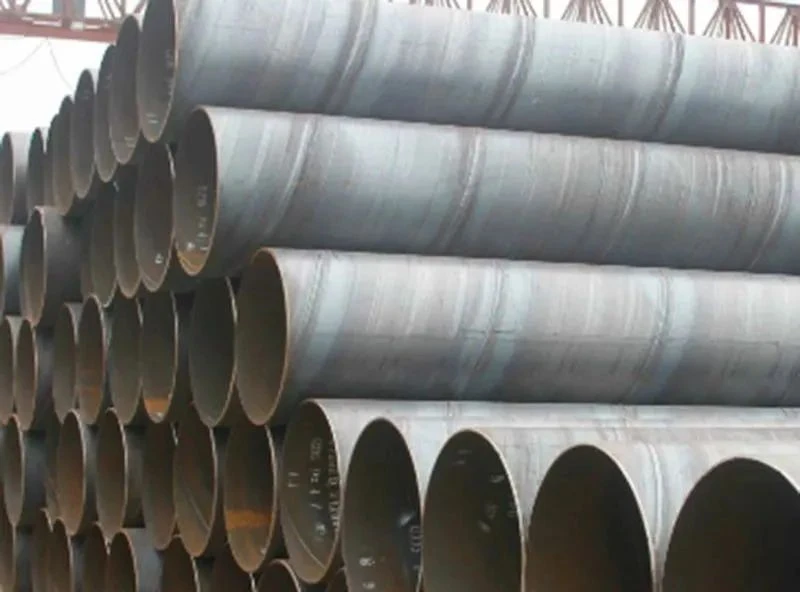
The main process characteristics of spiral steel pipes include:
1. During the molding process, the residual stress is small, the surface has no scratches, the diameter and wall thickness range are wide, which can meet the user's needs for the specifications of the spiral steel pipe.
2. Adopt advanced double -sided buried arc welding technology, which can handle some defects and easy to control welding quality.
3. Perform 100 % quality inspection of steel pipes to ensure product quality.
In addition, all equipment in the entire production line has the functions of connecting the computer data collection system to achieve instant data transmission. The technical parameters in the production process are controlled by the control room. These characteristics make the spiral steel pipes highly competitive in the market.
During the heat treatment process, the surface of the part is easily affected by the oxidation heating medium, resulting in a decline in surface quality, and even affecting the appearance and internal quality of the parts. Therefore, it is important to choose the appropriate heating equipment and heating medium.
At the same time, the recovery process parameters also have an important impact on the quality of parts heat treatment, such as hardness, crispness, and ignition cracks. The correct thermal treatment process is the prerequisite and foundation for ensuring the quality of the heat treatment of the parts.
If quality problems are found, you can analyze and solve from people, machines, materials, methods, links, inspections, etc. to avoid defects. At the same time, through analysis and judgment, the root cause of the defect can be found, and the basis for subsequent improvement can be found.