

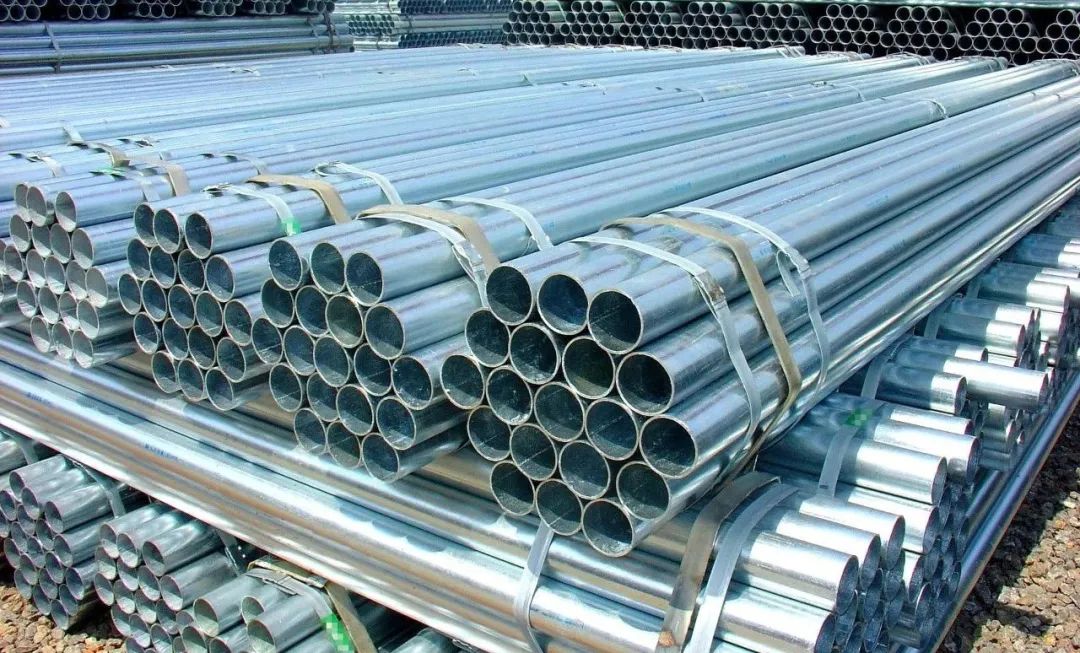
In order to improve the corrosion resistance of the steel pipe, the average steel pipe is galvanized. Galvanized steel pipes are divided into two types: hot, galvanized and electroplating.
The hot -dip galvanized and galvanized layer is thick, the cost of galvanizing is low, and the surface is not very smooth.
Nominal wall thickness: mm20252.8, 3.2, 3.5, 3.8, 4.0, 4.5.
Coefficient: C1.064, 1.051, 1.045, 1.040, 1.036, 1.034, 1.032, 1.028.
1. Clean water cleaning
Clean water washed the inner wall of the steel pipe with clear water, but for those calcium magnesium ion stains, biological mud, etc. attached to the inner wall of the steel pipe, it cannot be completely cleared, and the effect is not obvious.
2. Potum cleaning
Potum cleaning is a chemical reagent in water, but chemical ingredients are corrosive on the steel pipe, and also shorten the life of the steel pipe. It is a method of fishing and fishing.
The spiral steel pipe is a spiral seam steel pipe with a steel roll plate as the raw material, which is often squeezed by warm squeeze, and the main production process is based on the automatic double -sided double -sided buried arc welding process. The main production process is as follows:
3. Physical cleaning
Now on the market, the working principle of this kind of cleaning is basically using compressed air as a power. The transmitter uses a launch to launch a special shooting bullet larger than the inner diameter of the pipeline to make it along the high -speed movement of the inner wall of the pipe road and friction. Clean the effect of the inner wall of the pipeline. This method of cleaning is obvious, and it is basically no harm to the pipeline. It is by far to date.
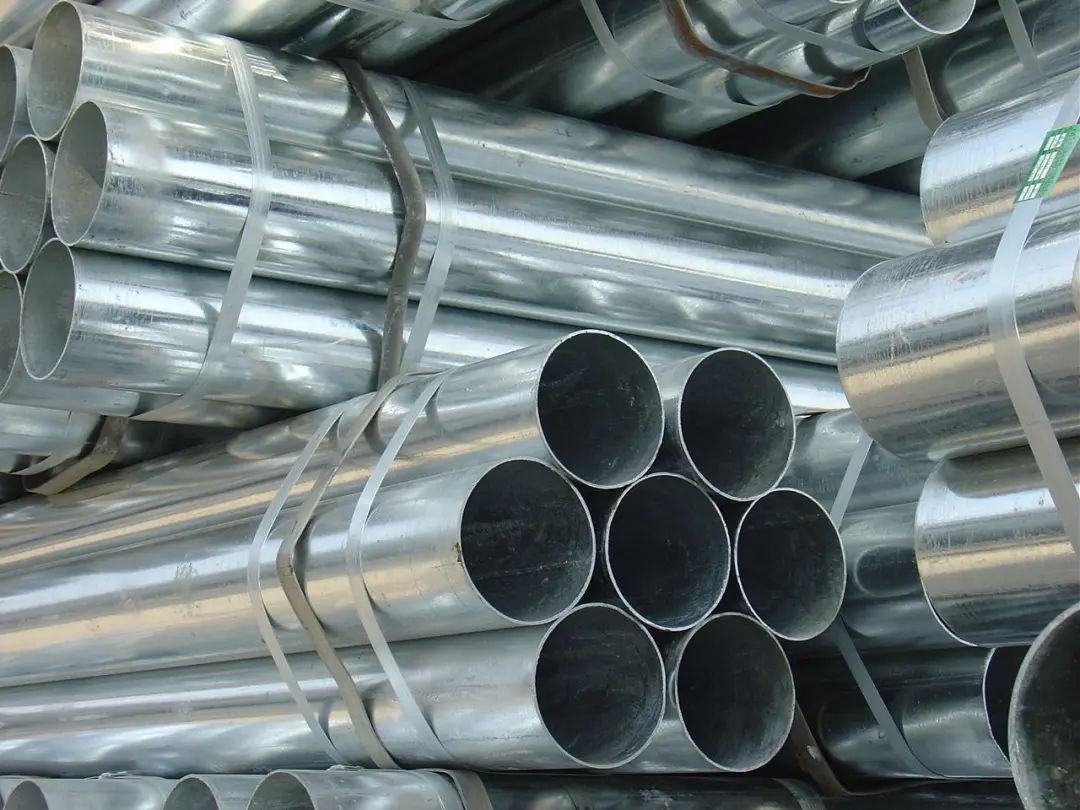
Generally, galvanized pipes do not need to paint, and silver powder paint is generally brushed.
After galvanizing the steel pipe, the surface covers a layer of zinc coating, which makes the steel pipe and the atmosphere separate, avoiding the direct contact and rust of the steel pipe to the steel pipe, which is protected. Due to the strong chemical activity of zinc on the surface of the steel pipe, the zinc will form a thin and dense layer of zinc carbonate in the air at room temperature to protect the zinc itself that will not continue to be oxidized.
Therefore, the galvanized pipe, both the surface of the surface or the steel pipe itself is protected, will not rust, and there is no need to use anti -rust paint. Only when the galvanized layer is destroyed, (such as the steel pipe welding, the coating of the joints is burned), the steel pipe is exposed to the air, and the galvanized layer is lost.