

Regardless of the adoption of positive fire, annealing, ignition, quenching, and other process thermal treatment processes, steel pipes need to undergo basic processes such as heating, insulation and cooling, etc. during thermal treatment. In these processes, the steel pipes may cause defects.Steel pipe thermal treatment defects mainly include defects such as unqualified tissue performance, excess size, surface cracks, abrasions, severe oxidation, desertarbon, overheating or over -burning, and oxidation such as steel pipe surface oxidation when protecting gas heat treatment.
The performance of the steel pipe tissue is unqualified: During the heat treatment, the performance of the steel pipe is not metal due to factors such as incorrect heating temperature of the steel pipe, unreasonable thermal insulation time, and too slow cooling speed, or too slow cooling speed, or too slow cooling speed or too slow.
In this regard, when formulating the heating process, the alloy elements in the steel, the heating temperature of the steel pipe, the original tissue and the size of the steel's auscolus change should be fully considered.The second is to formulate the heating temperature of steel pipe heat treatment according to the iron -carbon balance diagram.The third is to clarify thermal treatment method, heating temperature, recovery temperature and cooling speed.After the process is formulated, it must be verified by small batches before energy production.
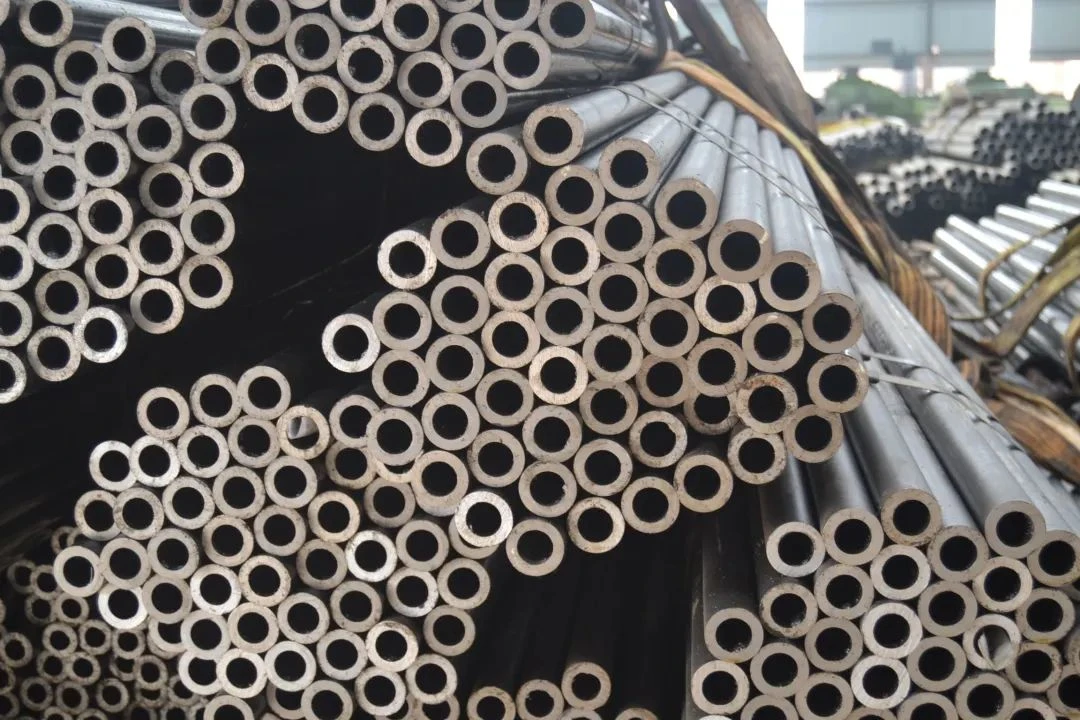
The size of the steel pipe is unqualified: After the heating of the steel pipe, the size will change significantly in some cases, including changes in the outer diameter, ellipse, and bending.The changes in the outer diameter often occur in quenching process. After the steel pipe is quenched, the main tissue becomes martensite and bellnia. Due to the changes in tissue, the volume change increases the outer diameter of the steel pipe.In order to reduce the changes in the outer diameter, a fixed diameter process is often added after the ignition process.The changes in the ellipse usually occur at the end of the steel pipe, mainly caused by large -caliber thin -walled steel pipes during long -term high temperature heating.To prevent the rationality of the heating system from preventing the main changes in ellipse.Sometimes, even if the heating system is reasonable, once the D/S value is too large, the steel pipe will be "burned", which will cause the end to "not round". In this case, as long as the steel pipe can be used to rotate the edge of the steel pipe, it can prevent it to prevent the prevention of the steel pipes to prevent it.Essence
There are many affecting bending factors, mainly including steel pipe heating and uneven cooling, especially the cooling speed of the longitudinal or horizontal parts when the steel pipe is quenched.Generally speaking, the curved steel pipes can be eliminated by straight machines.
Steel tube surface crack: During the heat treatment process of the steel pipe, the excessive temperature stress can cause the steel pipe to produce surface cracks.The main reason is caused by the heating speed or cooling speed.
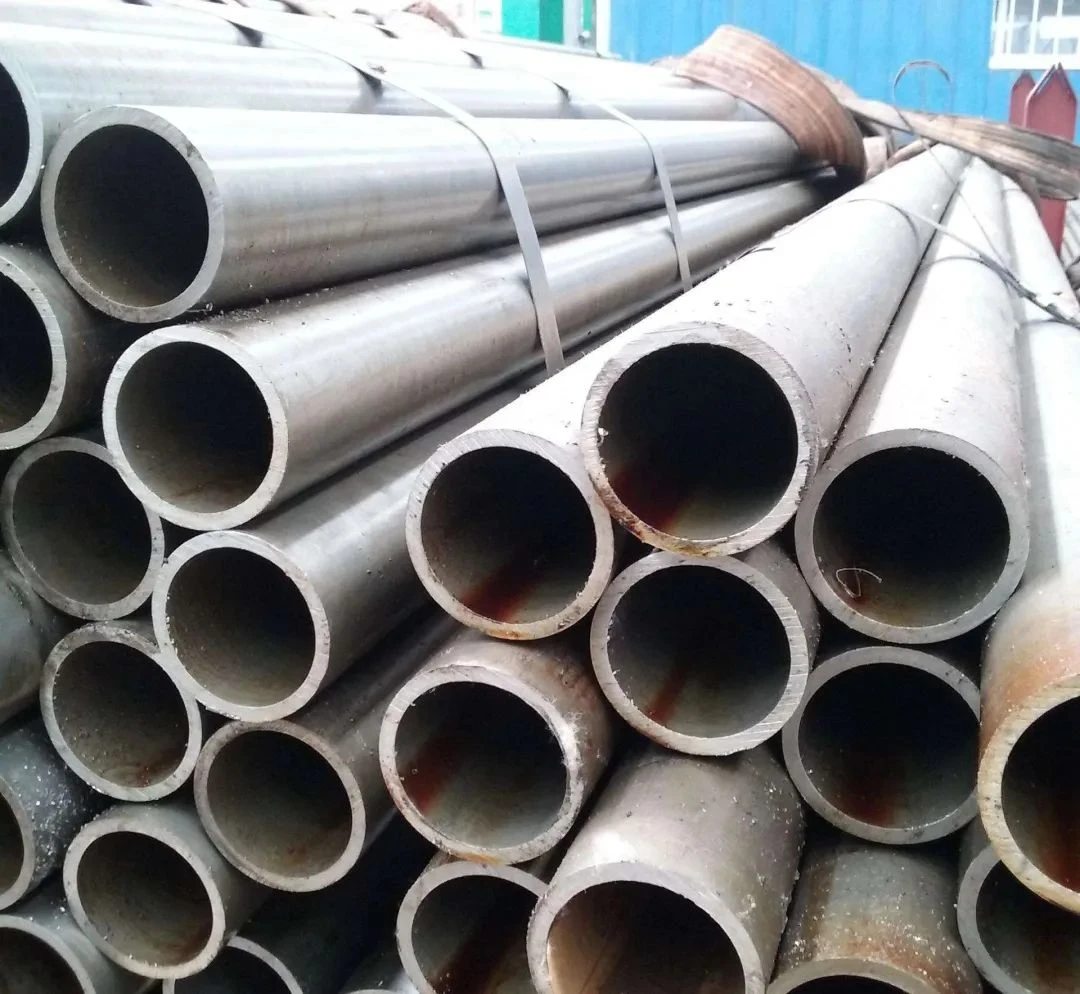
When the alloy thick wall steel pipe is heated, if the temperature in the furnace is too high, the steel pipe will encounter high temperature and rapid heating after entering the furnace.When the tensile strength of the material is limited, cracks appear on the surface of the steel pipe.
Due to the quenching process, the probability of surface cracking during steel pipe gold phase quenching is relatively high.When the steel pipe has non -metal mixed objects, components, and tissue bias, the possibility of quenching cracks in steel pipes increases.In order to reduce the thermal treatment cracks of the steel pipe, on the one hand, the heating system and cooling system of the steel pipe should be formulated based on the steel type, and the appropriate quenching medium should be selected; on the other hand, the harden pipe that has been quenched should be recovered or annealing to eliminate its internal stress as soon as possible.
The surface scratching and bumping injury of the steel pipe: mainly because the steel pipe is heated or heated in the heating furnace, in the quenching device or during the roller conveying process, the tools and workpieces that occur with it in contact withDefects formed on the surface of the steel pipe.In order to prevent this defect, while ensuring the normal operation of the heating equipment, the relative sliding speed between steel pipes and workpieces, tools and rollers should be reduced as much as possible to reduce the opportunity to collide with each other.
In short, whether the hot -rolled seamless steel pipe is heated before the pipe pores, or after the rolling tube is heating before the determination (reduced) trail, or the middle of the cold -rolled (pulled) steel pipe, as long as the heating process parameter design and the design andIf the control is improper, the tube (steel pipe) will produce quality defects such as uneven heating, oxidation, decarburization, heating cracks, overheating, or excessive burning, which will eventually affect the quality of the steel pipe.Therefore, the quality control of the pipeline (steel pipe) must be strengthened.