

The hot -dip galvanized pipe causes the melting metal to react with the iron -based body to generate the alloy layer, which combines the substrate and the coating. The hot -dip galvanized steel pipe is used to pick up the steel pipe. In order to remove the iron oxide on the surface of the steel pipe, after pickling, it is cleaned in a mixed aqueous solution groove of ammonium chloride or zinc chloride or ammonium chloride, and then sent to it Hot immersion groove.
Thermally galvanized has the advantages of uniform coating, strong adhesion, and long service life. Most of the North craftsmanship uses a zinc -galvanized belt to roll zinc supplementation.
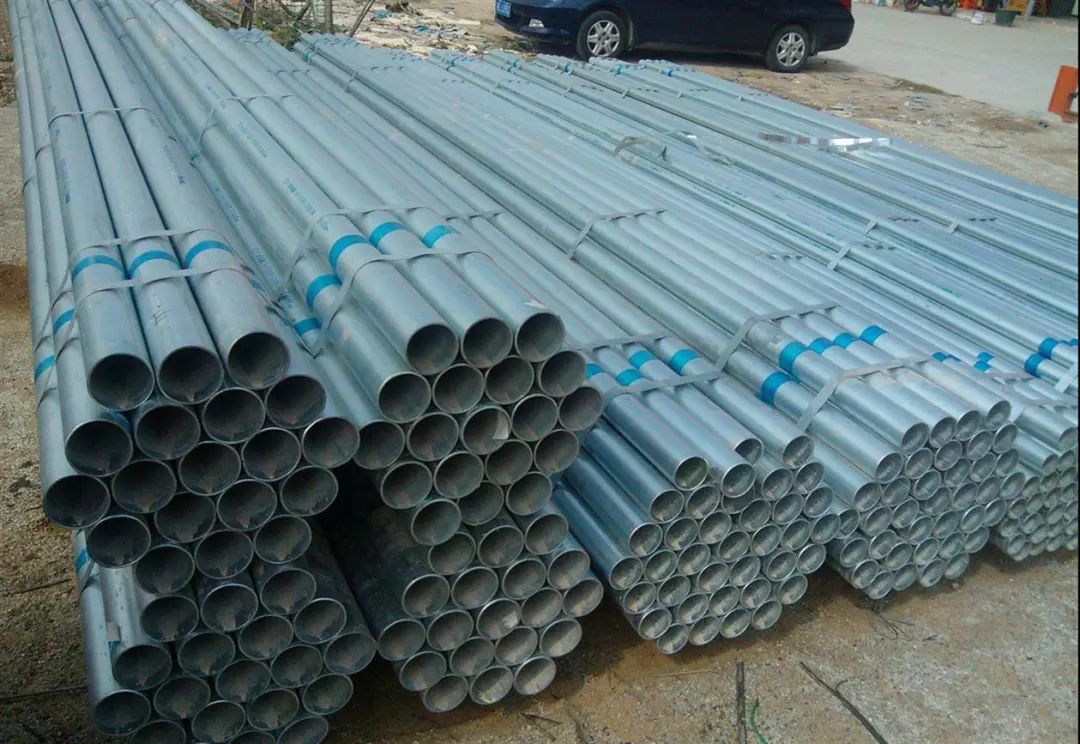
The hot -dip galvanized pipe causes the melting metal to react with the iron -based body to generate the alloy layer, which combines the substrate and the coating. The hot -dip galvanized steel pipe is used to pick up the steel pipe. In order to remove the iron oxide on the surface of the steel pipe, after pickling, it is cleaned in a mixed aqueous solution groove of ammonium chloride or zinc chloride or ammonium chloride, and then sent to it Hot immersion groove.
Thermally galvanized has the advantages of uniform coating, strong adhesion, and long service life. The steel pipe matrix and the melting plated fluid occur in complex physical and chemical reactions, forming a tight zinc -iron alloy layer with corrosion resistance. The alloy layer is integrated with the zinc layer and the steel pipe matrix. Therefore, its corrosion resistance is strong.
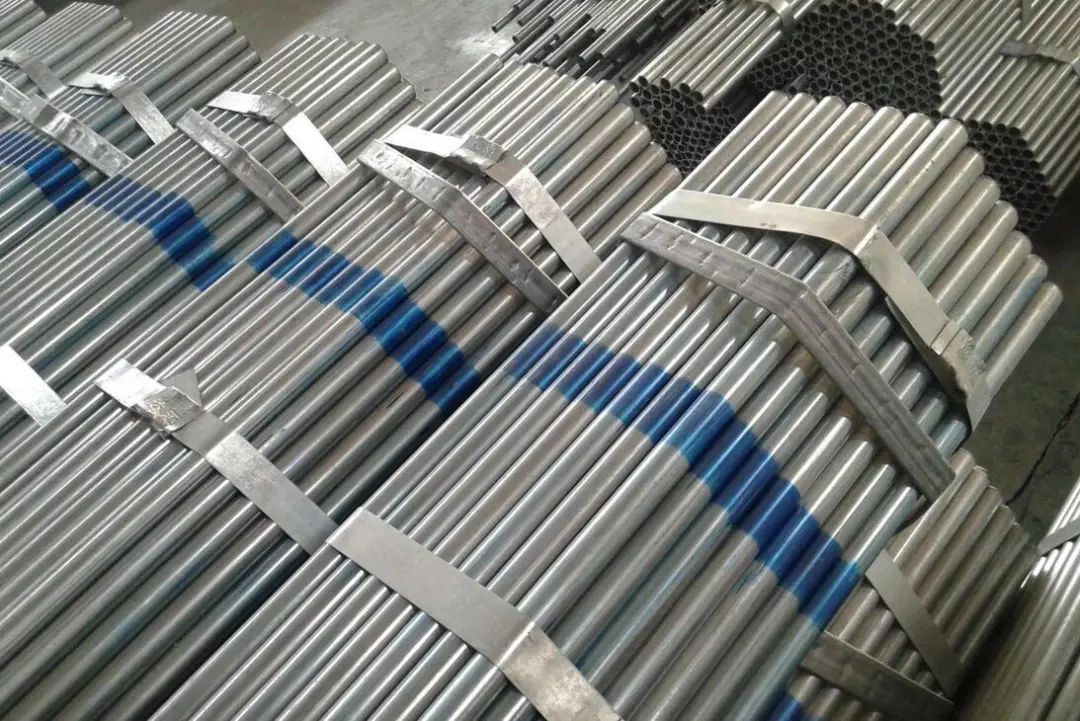
1. The uniformity of galvanized layer: The steel pipe sample should be immersed in copper sulfate solution 5 times in a continuous immersion (copper -plated color)
2. Surface quality: The surface of galvanized steel pipes should have a complete galvanized layer. There must be no unsolved dark spots and bubbles. It allows small rough surfaces and local zinc tumors.
3. Dalvation layer weight: According to the requirements of the demand party, galvanized steel pipes can be determined as zinc layer weight. The average value should not be less than 500g/square meter, and any sample of any sample should not be less than 480g/square meter.